





























Off-piste protection: essential for safety beyond the groomed runs
Snowboarding or skiing outside the marked pistes, also called off-piste, offers an unparalleled experience. The adventure, the freedom and the feeling of fresh powder draw countless winter sports enthusiasts to the mountains every year. But with that adventure come greater risks. Avalanches, falls, trees, cliffs and hard-to-reach terrain make off-piste snowboarding more challenging and more dangerous. That is why good off-piste protection is absolutely necessary. In this comprehensive guide you will read what you need, why it is important, and how to best prepare for a safe trip outside the pistes.
What is off-piste snowboarding?
Off-piste snowboarding means riding outside the controlled and prepared pistes. This can be in open terrain, through the woods, on steep slopes or in backcountry areas far from lifts and facilities. Although this kind of riding yields spectacular experiences, there are no markers, no supervision and often no quick help available in case of emergency.
Therefore it is essential that you not only have the right skills, but also the right equipment and knowledge to limit risks.
Why off-piste protection is indispensable
The risks in off-piste terrain are significantly higher than on the regular piste. Think of avalanches, hidden obstacles beneath the snow (such as rocks or branches), deep powder where you can sink, sudden weather changes, or areas with no signal or rescue service. A simple fall can have major consequences there.
Off-piste protection is meant to maximize your chances of surviving and returning without injury. It protects your body from impact, increases your visibility, and makes it possible to respond quickly and effectively in emergency situations.
The basic equipment for off-piste protection
If you go off-piste, a standard snowboard outfit is not sufficient. The following equipment is essential for a safe trip outside the piste:
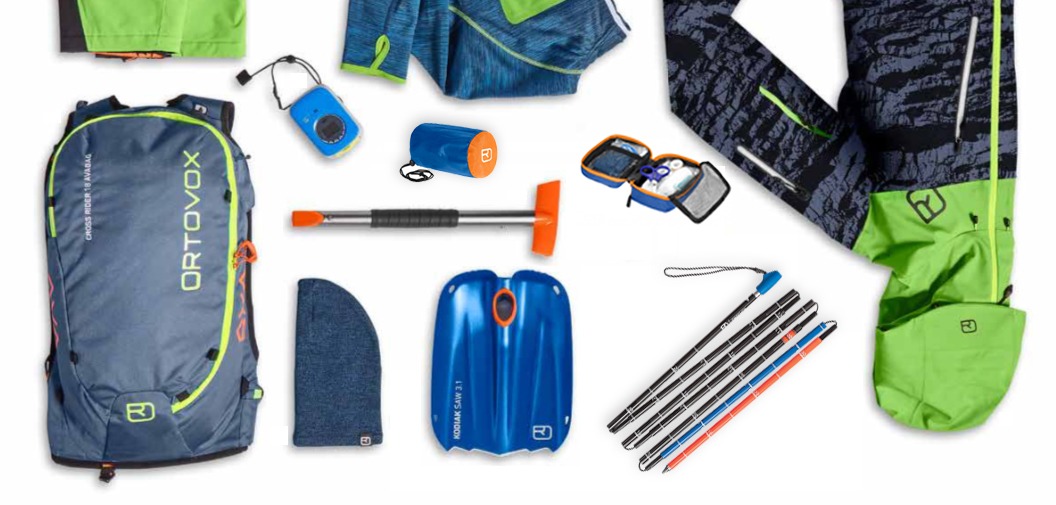
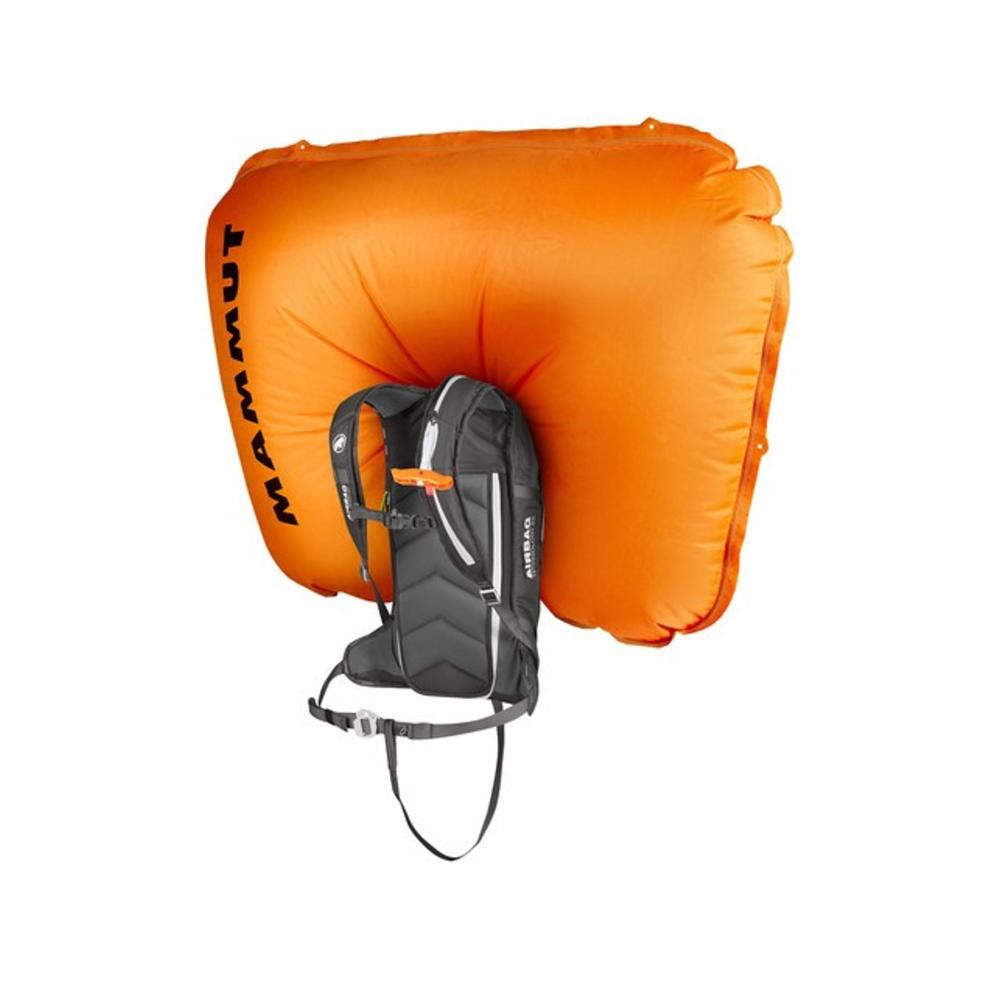
1. Avalanche backpack with airbag
An avalanche backpack is designed to help you stay on top of an avalanche. As soon as you are caught in an avalanche, you pull the cord and the airbag inflates. The increased volume reduces how quickly you are pulled under the snow, which significantly increases your chance of survival. There are models with gas cartridges and electronic systems. Choose a model that matches your riding style and experience.
2. Avalanche beacon (transceiver)
This device constantly emits a signal. If someone is buried under the snow, another rider can set their beacon to ‘search mode’ and locate the victim. A beacon is only effective if everyone in the group carries one and knows how to use it.
3. Probe
A collapsible pole used to search under the snow for a buried person. Once the avalanche beacon has brought you close to the location, the probe helps you determine exactly where someone is lying.
4. Avalanche shovel
Once someone is located, you need to dig quickly. A compact but sturdy aluminum shovel is necessary for this. Plastic shovels are less strong and unsuitable for hard snow layers.
Training and preparation are just as important as the equipment
You can have the best equipment, but if you don't know how to use it, it has little value. It is therefore highly recommended to take an avalanche course or off-piste safety training. In these courses you learn how to recognize an avalanche, how to work with beacons, and how to search and dig quickly and efficiently.
It is also wise to check the weather forecast and the avalanche report before a trip. Many countries have avalanche warning services with daily updated information. Never go off-piste without knowing this information.
Never go off-piste alone
You should always go off-piste snowboarding with at least one experienced partner, preferably a small group. Discuss the plan, the route, the risks and what to do in emergencies beforehand. Practice regularly with using your equipment and ensure everyone knows their role in an incident.
Also make sure your family or friends know where you are and when you expect to return. That way, action can be taken sooner if you do not return on time.
Popular brands and quality
There are many brands that deliver reliable and high-quality products for off-piste protection. Some examples:
- Ortovox – known for beacons, shovels and safety backpacks
- Black Diamond – specialized in avalanche equipment and mountain sports accessories
- Mammut – manufacturer of airbag systems and technical clothing
Always invest in quality when it comes to safety. Cheap alternatives are often less reliable and can let you down in critical situations.
Conclusion: off-piste protection is not an option, but a necessity
Off-piste snowboarding is adventurous and impressive, but it also requires responsibility and good preparation. With the right off-piste protection, knowledge and experience you make this experience safer and more enjoyable. From avalanche backpacks to back protectors and from beacons to shovels: every component contributes to your chances of survival in emergencies.
Take safety seriously, invest in good equipment and take courses to become familiar with the gear. Going off-piste is not done lightly, but consciously and prepared. Only then can you truly enjoy the freedom and purity of the untouched mountain world.