



























Avalanche backpacks
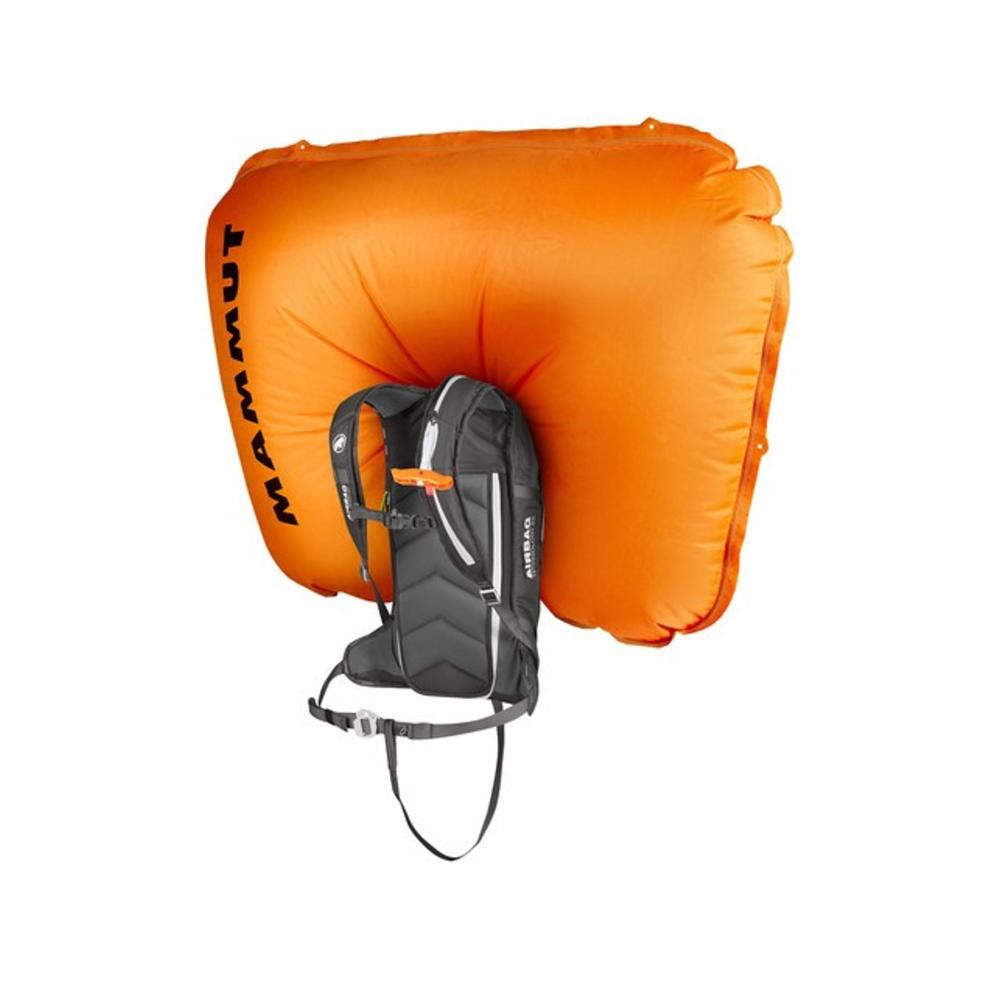
Avalanche backpacks: life-saving protection for off-piste adventurers
Off-piste skiing and snowboarding is the highlight of the holiday for many winter sports enthusiasts. Fresh powder, unspoiled nature and no crowded slopes – it’s an experience that combines freedom and adrenaline. But riding outside the groomed runs also involves risks. One of the greatest dangers is an avalanche. If you venture into this terrain, it’s wise to protect yourself as well as possible. An avalanche backpack, also called a airbag backpack, is an important part of that protection. In this article you will read what an avalanche backpack is, why it’s important, how it works, and which types and features exist.
What is an avalanche backpack?
An avalanche backpack is a specially developed pack for use in avalanche-prone terrain. What’s unique about this backpack is that it is equipped with a built-in airbag system. When this system is activated, one or more airbags inflate within seconds. The purpose of this is to keep you afloat on top of an avalanche, which significantly reduces the chance of being completely buried.
Besides the airbag mechanism, the backpack also functions as a regular pack. You can carry items such as an avalanche probe, shovel, water, extra clothing and food. Some models also offer space for ski or snowboard attachment, helmet carriers and more.
Why is an avalanche backpack important?
An avalanche is extremely powerful and unpredictable. Within seconds, a massive amount of snow can break loose from a mountainside and sweep everything in its path away. Once someone is caught in an avalanche, the chance of burial is high. The likelihood of survival drops rapidly after the first 15 minutes.
An avalanche backpack with airbag significantly increases survival chances. By increasing your volume relative to your weight (similar to how larger objects float in a current), you are pushed toward the surface of the snow. This increases the chance that you are not completely buried, and thus found more quickly or even immediately visible to your group.
While carrying an avalanche transceiver, shovel and probe remains essential, an airbag backpack can be the difference between life and death – especially in situations where time is scarce.
How does an avalanche backpack work?
An avalanche backpack is equipped with an activation system that you manually trigger as soon as you realize you are in an avalanche. This is done by pulling a lever or ripcord mounted on the shoulder strap. Within seconds the airbag system fills with air or gas, causing one or two large cushions to emerge from the sides of the pack.
These airbags increase your volume without increasing your weight. This helps you remain nearer the surface of the avalanche flow. At the same time the airbags also help orient your head and upper body upwards, reducing the chance of severe head or chest injuries.
After deployment of the airbag, the system is usually reusable depending on the type of propulsion.
Different types of airbag systems
There are different technologies for activating the airbag in an avalanche backpack. The two most common are:
1. Gas cartridge systems (air cartridge or carbon cartridge)
This type uses a cartridge filled with compressed gas (usually nitrogen or carbon dioxide) to rapidly inflate the airbag. Upon activation a mechanism punctures the cartridge and the gas flows into the airbag. The system works quickly and reliably.
Advantages:
- Proven technology
- Relatively simple and robust
- No dependence on batteries or electronics
Disadvantages:
- After one use the cartridge must be replaced or refilled
- Limited reusability during a single trip
2. Electronic systems (such as Alpride E1, JetForce)
Electronic airbag backpacks work with a small fan that draws in air to inflate the airbag. The fan is powered by batteries or supercapacitors. After use the system can be reactivated (usually multiple times per charge), which is especially useful during training or multiple avalanches.
Advantages:
- Can be used multiple times without cartridge replacement
- Easy to practice with
- No issues with gas cartridges when flying
Disadvantages:
- Electronics are sensitive to cold and require charging
- Often slightly heavier
- More expensive to purchase
Important features of a good avalanche backpack
Besides the airbag system there are other features that determine whether an avalanche backpack is suitable for your use:
1. Volume (capacity)
Depending on your type of tours and the amount of gear you take, choose a pack from 18 to 35 liters or more. Day tours require less capacity than multi-day trips.
2. Weight
A lightweight backpack provides more freedom of movement, but must still be sturdy and comfortable. Keep in mind that the airbag system adds extra weight.
3. Carry comfort and fit
A good backpack sits close to your back, distributes weight well, and does not move during the descent. Adjustable shoulder straps, a chest strap and hip belt provide stability.
4. Accessible compartments
A dedicated compartment for a shovel and probe ensures you can grab them quickly in an emergency. It’s also useful if you can access your gear from a side or bottom opening without having to open the whole pack.
5. Attachment options
Ski and snowboard carriers, helmet loops, ice axe attachments and space for hydration systems are useful additions depending on your touring style.
Safety instructions and training
An avalanche backpack is not a guarantee of survival. It is a tool that increases your chances, but you still must act responsibly. Always practice activating your backpack, learn how to repack the airbag, and be familiar with the reload process or charging of the system.
Additionally, taking an avalanche course remains essential. There you learn how to recognize hazards, how to make decisions in the terrain, and how to act quickly and efficiently if something does happen.
Can you fly with an avalanche backpack?
A frequently asked question is whether you can fly with a airbag backpack. The answer is yes – but with conditions. For gas cartridges you must request permission from the airline in advance and ensure the cartridge is packed correctly. For electronic systems like JetForce and Alpride E1 this is usually easier because they do not contain gas.
Always check your airline’s rules and carry documentation to explain the system.
Conclusion: investing in your own safety
An avalanche backpack is not a fashion accessory or an unnecessary luxury – it is an investment in your own safety. Whether you are a beginner off-piste rider or an experienced freerider, the right equipment makes the difference. In combination with a transceiver, probe, shovel and knowledge of avalanche danger, a airbag significantly increases your survival chances in an incident.
Choose wisely, practice regularly and continue to act responsibly in the terrain. Because in the mountains one simple rule applies: safety always comes first.