

















Goggles for poor visibility


Goggles for poor visibility: optimal vision in all conditions
Snowboarding or skiing in challenging weather requires the right equipment. When visibility is limited by fog, snowfall or cloud cover, goggles for poor visibility are indispensable. They help you see contours in the snow more clearly, increase contrast and improve your reaction time on the slopes. In this text you will read everything important about choosing goggles for poor visibility, which types of lenses are suitable, and which features really make a difference in difficult conditions.
Why goggles for poor visibility are essential
Winter sports often take place at high altitude, where weather conditions can change rapidly. In poor visibility you see less depth and details in the snowy landscape disappear. This makes snowboarding or skiing not only less enjoyable, but also more dangerous. Goggles for poor visibility are specifically designed to improve visibility when the weather is against you. They help you better judge irregularities in the terrain and increase your safety on the mountain.
Lens colors suitable for poor visibility
The lens color of your goggles largely determines how much light is transmitted and how well you can see contrasts. For poor visibility, clear or warm colors are most suitable. Think of yellow, orange, pink or light blue. These colors let more light through and enhance contrast, so you can better perceive depth differences and bumps in the snow.
Goggles with a lens that lets in a lot of light have a high VLT value (Visible Light Transmission). A VLT of 40% or higher is ideal for cloudy days or snowfall. The higher the VLT value, the more light enters, which is pleasant in flat light or fog. Avoid dark or mirrored lenses in these conditions, as they limit your visibility.
Photochromic lenses for changing conditions
Sometimes the weather changes quickly during the day. In that case, photochromic lenses are a smart choice. These so-called photochromatic lenses automatically adapt to the amount of light. When it gets lighter, the lens darkens. When it gets darker, the lens becomes brighter again. This way you always have good visibility without having to change lenses. That makes photochromic goggles very practical for those who are on the mountain in varying conditions.
Double lenses and anti-fog coating
In poor visibility it is crucial that your goggles do not fog up. Condensation can completely block your view, which is dangerous while descending. Goggles for poor visibility therefore usually feature a double lens. This creates an insulating air layer between the inner and outer lens, similar to double glazing. This reduces the likelihood of condensation.
A good anti-fog coating on the inside of the lens is also important. This coating prevents moisture from adhering to the lens. Note: the inside of the lens is fragile. Never clean it with gloves or rough cloths; let it air dry and use a soft microfiber cloth if necessary.
Ventilation and frame construction
Besides lens technology, the construction of the goggles also plays a role in how well you can keep seeing in bad weather. Goggles with good ventilation channels allow air to circulate, which reduces the chance of condensation. Prefer a goggle with multiple ventilation openings at the top and bottom of the frame. Some models even have active ventilation with adjustable openings.
A flexible frame ensures the goggle fits well to the face, keeping drafts and moisture out. Also make sure your goggles fit your helmet well. A poor fit between helmet and goggles can create gaps, allowing cold air or snow to get in.
Over-the-glasses (OTG) models for spectacle wearers
For winter sports enthusiasts who wear glasses, there are special OTG-goggles. These models have a wider frame and extra room at the sides so your regular glasses fit comfortably underneath. OTG-goggles for poor visibility are available with all the properties mentioned above, such as clear lenses, anti-fog coating and ventilation. This makes it possible to maintain optimal vision in difficult conditions even while wearing glasses.
Interchangeable lenses for flexibility on the mountain
Many modern goggles offer the option to swap lenses. This is handy if you deal with fog in the morning and sun later in the day. Some models use magnetic systems, allowing you to replace the lens quickly and easily. Others have a click system or interchangeable lens inserts. This makes your goggles more versatile and suitable for any weather.
For poor visibility you can take a light lens as an extra option. That way you can switch quickly if the weather changes. Make sure you have a safe and dry place to store lenses while snowboarding or skiing.

Comfort and fit: also important in poor visibility
Although good visibility is the most important aspect of these goggles, wearing comfort should not be underestimated. A goggle that fits well to the face prevents snow or moisture from getting inside. Pay attention to the foam layer on the inside when trying them on. Multiple layers of foam conform better to your face and increase wearing comfort.
An adjustable elastic strap with silicone grip on the inside ensures the goggle stays securely on your helmet. This is especially important for more active snowboarders who move and jump a lot. A good fit reduces distractions and lets you fully focus on the descent.
Popular brands and models for poor visibility
There are several brands that offer high-quality goggles for poor visibility. Think of Oakley, Smith, Anon, Giro, Dragon and Julbo. These brands have models with lenses specifically designed for flat light and foggy conditions. They are often equipped with patented lens colors or coatings that increase contrast.
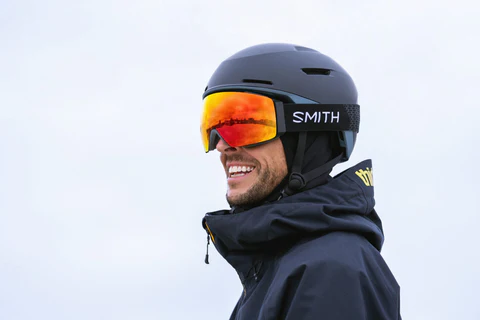
The price of goggles for poor visibility ranges from about €60 to above €250. More expensive models often offer technologies such as photochromic lenses, magnetic lens change systems or extra wide fields of view. Depending on your budget and needs you can choose a basic model or a high-end goggle with all available options.
Maintenance and storage of goggles for poor visibility
Goggles for poor visibility must be well maintained to retain their performance. Always store the goggles in a protective pouch to prevent scratches and damage to the lens. Let your goggles dry at room temperature after use. Clean only the outside of the lens with a soft cloth and avoid touching the inside as much as possible.
Avoid storing a wet goggle in a closed bag or helmet, as this promotes mold and shortens the lifespan of the anti-fog coating. By taking good care of your goggles, they will remain effective in poor visibility over the long term.
Conclusion: safe snowboarding with good visibility, even in bad weather
Good goggles for poor visibility make a world of difference on days when the weather is against you. By choosing the right lens color, a high VLT value, good ventilation and an anti-fog coating, you ensure you always have optimal visibility. This not only increases your safety but also your enjoyment on the slopes. Whether you are a beginner or an experienced snowboarder, investing in good goggles for poor visibility is a sensible choice that pays off quickly.